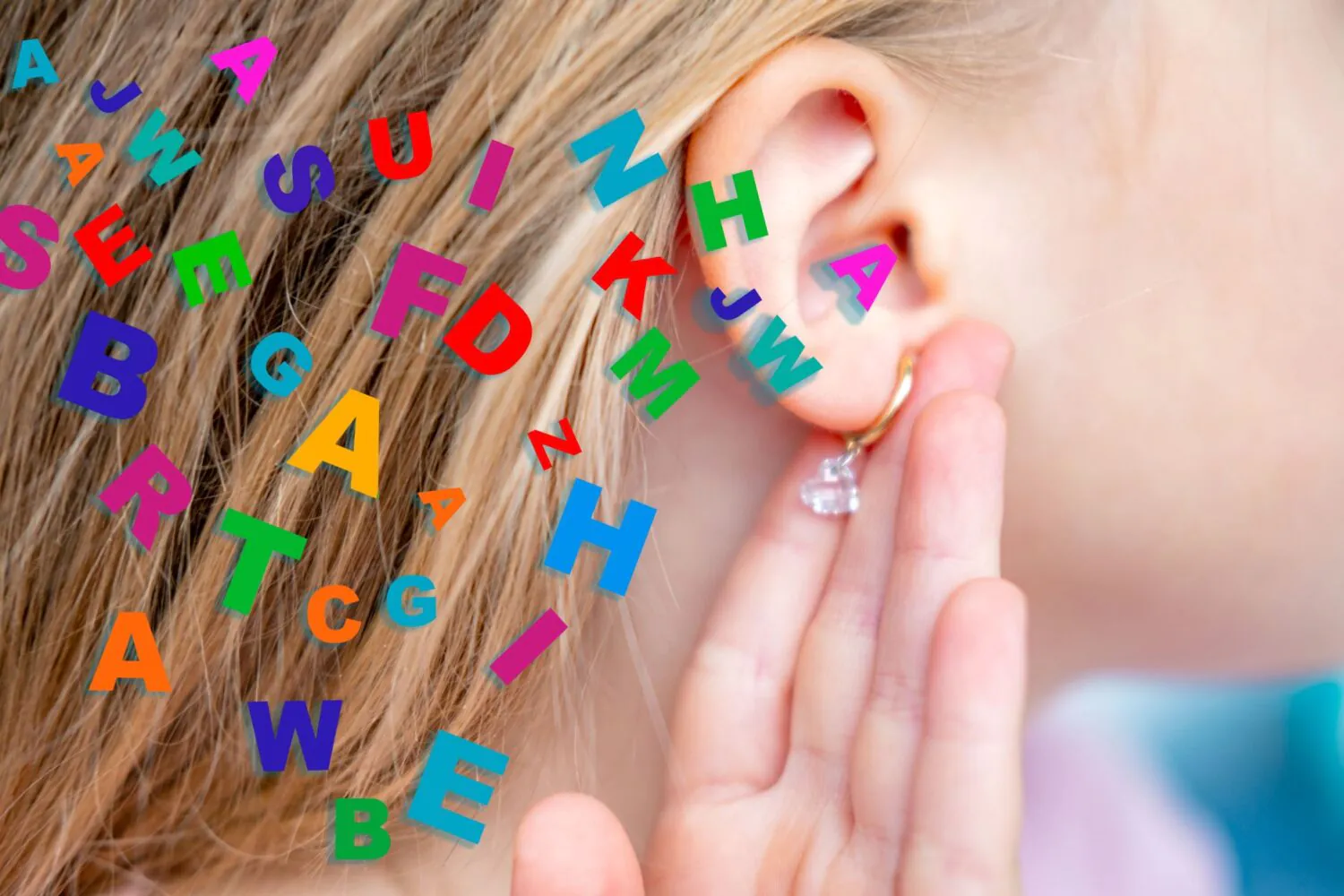
Does your child often say “what?”, struggle to follow instructions, or become overwhelmed in noisy environments, even though their hearing tests come back normal? Or do you yourself struggle to process speech, mishear pronunciation, and feel fatigued after group conversations?
You’re not alone. One possible explanation is Auditory Processing Disorder (APD).
APD affects how the brain processes and understands sound. A person may hear sounds clearly, but their brain has difficulty interpreting what those sounds mean, especially speech. In busy places like classrooms and family gatherings, listening can feel confusing, tiring and frustrating.
Auditory Processing Disorder is most commonly identified in children, but it can also affect adults, either because it was never diagnosed earlier or because listening demands have changed. Early assessment and management can make a significant difference to confidence, education and emotional wellbeing.
How APD can affect children day to day Children with APD often work harder to keep up with conversation and spoken information. This extra effort can be exhausting and emotionally draining, especially in school environments where listening is constant, important and usually fast-paced.
Parents often notice that their child:
Understands better during one-to-one conversations rather than in groups
Has high academic capability but struggles with verbal instructions
Is often tired, emotional or irritable after school or gatherings
Is labelled as “not listening” or “distracted”
These challenges are not a result of laziness or poor motivation. Instead, they result from how the child’s brain processes sound when APD is present.
Signs and symptoms of APD in children Common signs of Auditory Processing Disorder in children include:
Difficulty understanding speech in noisy classrooms
Frequently asking for repetition
Struggling with multi-step instructions
Confusing similar-sounding words
Delayed speech, language, reading or spelling
Poor listening stamina or listening fatigue
Frustration, anxiety or reduced confidence around learning
Because these signs overlap with other developmental conditions, such as autism and ADHD, Auditory Processing Disorder is often missed without specialist assessment.
APD, ADHD and Autism: What parents should know APD is sometimes seen alongside ADHD or autism, and listening difficulties are frequently mistaken for attention or behavioural problems.
While there can be overlap, APD is a distinct auditory condition. A child may have APD on its own, or alongside another diagnosis. Identifying APD accurately ensures the right strategies are put in place, rather than assuming difficulties are purely attention-based.
Is Auditory Processing Disorder the same as hearing loss? No, and this is a common misconception. Most individuals with APD have typical hearing sensitivity, and hearing tests show normal results. Their ears detect sound correctly, but the brain struggles to process and organise what it hears.
This is why routine hearing tests often don’t explain real-world listening difficulties.
Auditory Processing Disorder in adults Although APD is more frequently diagnosed in children, many adults are affected, often without realising there is a name for what they experience.
Some adults have had APD since childhood but were never assessed or were misdiagnosed. Others find their listening difficulties become more noticeable as work, social and communication demands increase.
Common signs of APD in adults Adults with APD may:
Struggle to follow conversations in noisy environments
Frequently ask people to repeat themselves
Mishear words or instructions
Take longer to process spoken information
Feel mentally exhausted after meetings or social events
Avoid group conversations due to listening fatigue
Many adults describe feeling embarrassed, frustrated or misunderstood, often assuming the issue is “just them” rather than a recognised auditory processing difficulty.
APD in adults is not a sign of cognitive decline or poor intelligence. With the right understanding and strategies, listening can become significantly easier.
How is APD tested for children and adults? Auditory Processing Disorder testing is conducted by a specialist audiologist and extends beyond standard hearing assessments.
At Hampstead Hearing, APD assessments are thorough, supportive and age-appropriate. Testing evaluates how the brain processes speech and sound in conditions that reflect everyday listening.
During the assessment, you or your child may:
Listen to speech with background noise
Complete sound discrimination and listening memory tasks
Be assessed on how efficiently auditory information is processed
After the assessment, you’ll receive a clear explanation of the results and, if APD is identified, a personalised management plan.
Support and management for Auditory Processing Disorder While there is no cure for APD, effective management can significantly improve listening, confidence and quality of life for both children and adults. Support and management strategies include:
Auditory Training Targeted listening exercises are designed to strengthen the brain’s processing of sound.
Environmental & Communication Strategies Practical adjustments, such as reducing background noise, using visual cues, slowing speech or breaking instructions into steps, can be highly effective.
Assistive Listening Technology In some cases, specialist devices can help improve speech clarity in challenging listening environments such as classrooms or workplaces.
For children, consistent strategies across home and school are important. For adults, workplace and social adaptations can greatly reduce listening fatigue.
Why assessment matters at any age Unidentified auditory processing difficulties can affect learning, confidence, relationships and emotional well-being. Whether you are concerned about your child or recognising listening challenges in yourself, assessment provides clarity and direction.
With the right support, people with APD can develop effective coping strategies and thrive in everyday life.
Concerned about listening difficulties? If you’re worried about your child’s listening, learning or communication, or if you recognise these challenges in yourself, the expert audiologists at Hampstead Hearing are here to help.
Contact us today to discuss Auditory Processing Disorder assessments for children and adults, as well as personalised support options.
Found that helpful? Here’s some of our other articles:
How to choose the right hearing aid for you
Introducing the Resound Vivia hearing aid
The best hearing aids available in the UK in 2026